Engelske sider Epletrær for 2022.
Bestilt flotte spennende Engelske cider-epletrær fra Åbereg Planteskule. De har endel sorter som ikke er så lett å finne. Bestilte 10 stk. Dabinette, 6 stk Asthon Bitter og 4 stk Yarlington Mill. Disse er ganske så esklusive i Norge. Ikke alle som trenger dem heller.. bitre som f.. men desto bedre til cider. Skal bruke dem som innblanding primært, men også lage keeved cider på ekte engelske bitter sweet apples. Sjekk gjerne dem ut, http://www.aabergeplanteskule.no
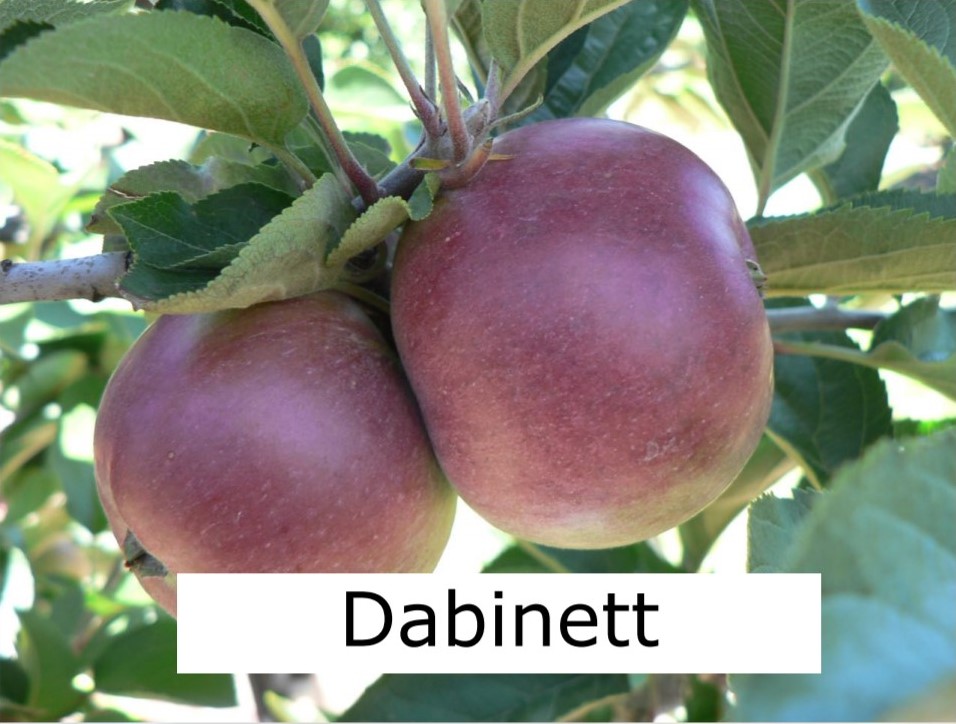
Dabinette ciderepletre info.
Dabinett cider apple trees. A classic English hard cider apple variety, which produces a full bittersweet juice. It is also one of the most reliable and easy cider varieties to grow. Unlike many hard cider varieties which are best-used for blended ciders, Dabinett can also be used to produce a single-varietal full-bodied medium-dry cider.
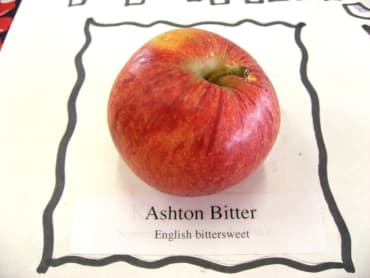
Asthon Bitter Bittersweet epletre
Early Fall. Full bittersweet cider apple. Dabinett x Stoke Red. GT Spinks intro, Long Ashton, England, 1947.
Astringent cider apple with strong tannin, high sugar (SG 1.060) and low acidity. Medium-sized round opaque orange-yellow fruit, blushed and striped with red. Very juicy.
Ripens in early fall, but we’ve pressed them in late October with good results. Best blended with sharps and other bittersweet varieties.
Resurrected from an old Long Ashton trial orchard and planted extensively in recent years in England and the U.S. From 1903 until 2003, Long Ashton Research Station was the British center for the study of cider. Scab free. Blooms midseason. Z4.
Yarlingthon mill:
Synonyms: Yarlington
Summary: A classic English bittersweet cider apple with soft and rounded tannins and good sugar levels.
Identification: Fruit size is small to medium. Distinctly pear shaped. The smooth, waxy skin has a base colour of yellow over which are dark red bushes. Some russetting.
Characteristics: The firm flesh is white with red veining next to the skin. Crisp, juicy and sweet, distinctly astringent with good flavour and aromas.
Origins: Found in the late 1700s as a wild seedling which rooted had itself among some boulders at the water mill in Yarlington, North Cadbury, Somerset (U.K.). It was replanted in the gardens of the mill and later propagated and sold by the local nursery owner, Harry Masters.
Cultivation: Vigorous, upright semi-spreading spur bearer. Requires several years to start fruiting. Produces good harvests but tends to crop best every other year.
Vulnerabilities: Somewhat susceptible to scab but resistant to mildew and canker. Highly susceptible to fireblight.
Juice Character: Considered vintage quality. Produces a traditional English amber cider with rich apple flavour and a slight bitterness. The must typically measures out at Brix 10 to 14 with tannins at 0.32% and acid levels at 0.22%.
Juice_classification: Medium Bitter sweet
Pollination Group: C
Pollination Peak: 12
Ploidism: Diploid. Partially self sterile but produces best in the proximity of a source of compatible pollen. Brix 10.
 BORØY CIDERHUS